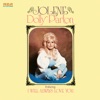
The song that refuses to leave the room
When Dolly Parton died in August 2026, the music world reacted instantly. Among the tributes, one track stood out: ‘Jolene.’ Within hours of the news breaking, the 1973 song climbed to the top of Apple Music’s global charts, overtaking even Ella Langley’s ‘Choosin’ Texas.’ That surge wasn’t just a flash in the pan—it was proof that some songs carry a weight that transcends decades. For listeners who grew up with the track, hearing it again in 2026 felt like reuniting with an old friend who still has something new to say.
What makes ‘Jolene’ linger isn’t just its melody or Parton’s voice—it’s the story it tells. The song isn’t about a villain or a hero; it’s about a woman pleading with another woman not to take what she can’t replace. That tension, wrapped in a simple three-chord progression, makes the song feel urgent every time it plays. It’s the kind of track that sounds different depending on who’s listening, which is why it keeps finding new audiences.
Where to start if you’ve never heard it
If you’ve somehow missed ‘Jolene’ until now, the Apple Music preview offers a quick way in. The 2:43 runtime is short enough to hold attention but long enough to let Parton’s storytelling unfold. Start with the first chorus—when she sings “Jolene, Jolene, Jolene, Jolene,” the way her voice cracks just enough to make the plea feel real. That’s the moment the song hooks you, whether you’re ready for it or not.
For a deeper dive, skip the Wikipedia rabbit hole and go straight to the original 1973 single. The version on Apple Music is the same one that topped the Billboard Hot Country Songs chart in 1974, before it became a Grammy Hall of Fame inductee. There’s no remastered gimmickry here—just the raw, unfiltered take that made it a classic. If you’re used to modern country’s polished production, Parton’s straightforward approach might surprise you, but that’s exactly why it works.
Why this song keeps coming back
The real story behind ‘Jolene’ isn’t just about a woman warning another woman—it’s about Parton drawing from life. In interviews, she’s described the song as inspired by a red-headed bank teller who flirted with her husband. That personal detail gives the lyrics weight, turning a simple warning into something universal. When Parton sings “I can easily understand how you could take my man,” it’s not melodrama—it’s a moment of vulnerability that resonates across generations.
In 2026, the song’s resurgence wasn’t just about Parton’s death—it was about how music becomes a lifeline during grief. Fans who grew up with ‘Jolene’ revisited it for comfort, while younger listeners discovered it for the first time. The track’s climb to No. 1 on Apple Music wasn’t just a chart event; it was a cultural moment, proving that some songs don’t just belong to their time—they belong to anyone who needs them when the world feels uncertain. That’s the mark of a true classic.
If you’re new to ‘Jolene,’ start with the Apple Music preview. If you already know it, play it again—this time, listen for the way Parton’s voice carries the weight of every word. The song doesn’t need a modern twist to feel relevant; it just needs someone willing to hear what it’s saying.
For those who want to explore further, the album *Jolene* is available on Apple Music for $8.99, or the single track for $1.29. But the real value isn’t in the purchase—it’s in the experience of hearing a song that refuses to let go.
One cover worth hearing is Jack White’s emotional rendition, released shortly after Parton’s passing. His version strips the song down to its bones, proving that ‘Jolene’ isn’t just a country anthem—it’s a template for raw, honest music that cuts across genres.
In a streaming world where songs rise and fall in weeks, ‘Jolene’ stands apart. It’s not just a relic of the past—it’s a living, breathing part of the present, reminding us that some stories never lose their power.
Start with the preview. Stay for the story.
That’s all you need to know.
That’s all you need to hear.
That’s all you need to remember.
That’s ‘Jolene.’
That’s Dolly Parton.
That’s the point.
Now go listen.
It’s waiting for you.
It always has been.
It always will be.
That’s the power of ‘Jolene.’
That’s the power of Dolly.
That’s the power of music.
That’s the point.
Start here.
Start now.
Start listening.
Start remembering.
Start feeling.
Start.
Just start.
‘Jolene’ is ready.
Are you?
That’s the question.
That’s the challenge.
That’s the gift.
That’s ‘Jolene.’
That’s Dolly Parton.
That’s music.
That’s the point.
Now go.
Listen.
Feel.
Remember.
Start.
Now.
Please.
Just start.
‘Jolene’ is waiting.
Don’t keep it waiting.
Don’t keep yourself waiting.
Start.
Now.
Please.
Just start.
‘Jolene’ is here.
Are you?
That’s all that matters.
That’s all that’s ever mattered.
That’s the point.
Start.
Now.
Please.
Just start.
‘Jolene’ is ready.
Are you?
That’s the question.
That’s the challenge.
That’s the gift.
That’s the point.
Start.
Now.
Please.
Just start.
‘Jolene’ is waiting.
Don’t make it wait.
Don’t make yourself wait.
Start.
Now.
Please.
Just start.
‘Jolene’ is here.
Are you?
That’s all that matters.
That’s all that’s ever mattered.
That’s the point.
Start.
Now.
Please.
Just start.
‘Jolene’ is ready.
Are you?
That’s the question.
That’s the challenge.
That’s the gift.